


🐶 Dog · double (with undercoat) coat
Coat care: Siberian Husky
Medium-length double coat – a soft, dense undercoat and straight, smooth-lying guard hairs.
The Siberian Husky has a medium-length double coat: a soft, dense undercoat that supports the straight, smooth-lying guard hairs. The coat is largely self-cleaning and rarely needs bathing, but twice a year the Husky blows its undercoat and loses an enormous amount of hair. Home care consists of regular brushing, more intensive during the coat change, and shaving the coat is not recommended.
🛁 Bathing
Usually only a few times a year or when the dog gets dirty – the coat is highly self-cleaning, and frequent bathing strips away the natural oils. During the coat change, a bath in warm water with thorough drying helps the shed undercoat come out more easily; dilute concentrated shampoos according to the label.
🪮 Brushing
Once a week with a pin brush with metal pins and a metal comb, and every day while the undercoat is being blown, gradually raking out the old undercoat, for example with an undercoat rake. Brush in sections down to the skin so that no matted clumps are left under the guard hairs.
🍂 Shedding and coat change
The undercoat is blown twice a year, usually in spring and autumn, and the process lasts several weeks. A missing undercoat during the change is normal. In a warmer climate, shedding may be more frequent or almost constant.
Tips for home
- Keep an eye on nail length and trim the nails regularly.
- Do not shave the coat – it insulates against both cold and heat and protects the skin from sunburn.
- The hair between the toes and around the paws can be trimmed for a neater look.
- When brushing, check for mats behind the ears, on the backs of the thighs and on the tail.
Shampoos and conditioners for Siberian Husky
More in the finder →-
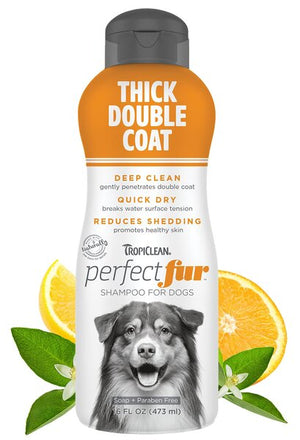 TropiClean PerfectFur Thick Double Coat Shed Reducing Dog Shampoo 473ml
€19,99 Unit price €42,26/L
-
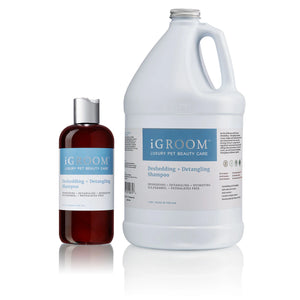 iGroom Deshedding + Detangling Shampoo for Shedding and Easy Brushing
€43,50 Size: 473ml · 2 sizes Unit price €91,97/L
-
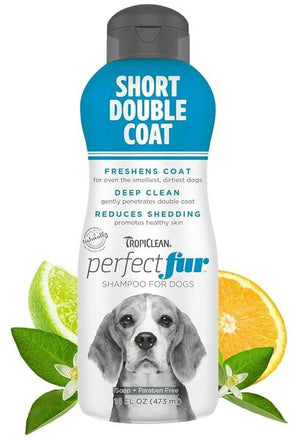 TropiClean PerfectFur Short Double Coat Deodorizing & Shed Reducing Dog Shampoo 473ml
€19,99 Unit price €42,26/L
-
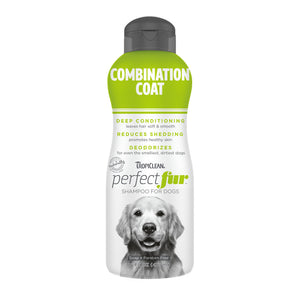 TropiClean PerfectFur Shampoo for Golden Retrievers, Collies and More
€19,99 Unit price €42,26/L
-
 Groom Professional Dirty Dogs Shampoo Concentrate 20:1, 4 l
€21,80 Size: 450ml · 2 sizes Unit price €48,44/L
-
 Crown Royale Biovite #2 Shampoo, Concentrate 4:1 for Medium-Density Coat Texture
€42,85 Size: 473ml · 2 sizes Unit price €90,59/L
-
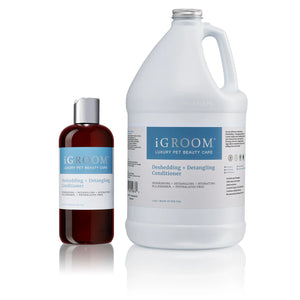 iGroom Deshedding + Detangling Conditioner – Anti-Shedding and Detangling Conditioner
€45,40 Size: 473ml · 2 sizes Unit price €95,98/L
-
 Chris Christensen Ice on Ice Detangling Shampoo
€34,99 Size: 473ml · 2 sizes Unit price €73,97/L
-
 iGroom Pro-Keratin Leave-In Conditioner for Intensive Repair and Protection, No-Rinse, 473 ml
€60,75 Size: 473ml · 2 sizes Unit price €128,44/L
-
 TropiClean Lime and Cocoa Butter Shed Control Conditioner for Dogs and Cats 355ml
€12,99 Unit price €36,59/L


Frequently asked questions
How often should I bathe a Husky?
The Husky has a self-cleaning coat and usually needs only a few baths a year, unless it gets dirty. Frequent bathing strips the natural oils from the skin and coat. A bath is most useful during the undercoat change: warm water and thorough drying help the old hair come out. Dilute the shampoo according to the label and dry thoroughly down to the skin.
Can a Husky be clipped?
Shaving a Husky is generally not recommended. The double coat acts as insulation in both winter and summer and also protects the skin from sunburn. After shaving, the undercoat may grow back faster than the guard hairs, leaving the coat uneven. Shaving does not stop shedding. Trimming the hair between the toes and around the paws is fine.
When does a Husky blow its coat?
The Husky blows its undercoat twice a year, usually in spring and autumn. The process lasts several weeks and the hair comes out in clumps. During this time brush every day, gradually raking out the old undercoat down to the skin. In a warmer climate, shedding may be more frequent. If you notice bare patches or irritated skin outside the season, consult a vet.
Care for other breeds
All breeds →This advice is general. For skin or ear problems, consult a vet.