Short answer: ordinary household cleaners only mask the smell of urine – they don't break down the uric acid in the stain, so it crystallises again once it gets damp and the smell comes back. What you need is an enzyme cleaner, which breaks down the organic matter biologically. Apply it over the whole area of the stain, leave it to work for long enough, and repeat on older stains.
Why ordinary cleaners don't work
Urine contains uric acid, urea and pigments that form crystals as they dry, binding tightly to the fibres of a carpet, upholstery or wood. All-purpose cleaners, vinegar and ammonia-based products remove the visible stain and mask the smell for a while, but they don't break down these crystals. As soon as humidity rises – say, when you mop the floor or on a rainy day – the smell comes back. Ammonia can even resemble the smell of urine and encourage your pet to mark the same spot again.
How an enzyme cleaner works
An enzyme cleaner contains live bacterial cultures that produce targeted enzymes. These literally break down the organic molecules in the stain – the uric acid, proteins and fatty residue – rather than simply covering them with a scent. The result is that the cause of the smell is broken down, not masked. That's why enzyme cleaners are favoured by professionals, and are especially recommended for stubborn or old stains, not just fresh accidents.
Step by step
Carpets and rugs
First blot up the excess liquid with a paper towel, without rubbing – rubbing pushes the stain in deeper. Spray generously with an enzyme cleaner, covering an area a little larger than the visible stain – the liquid needs to reach the same depth the urine did. For thick carpets, a product with a dedicated applicator is handy, such as Urine Off Dog Urine Remover (for Carpets), designed to penetrate through the fibres to the base of the stain. Leave it to work according to the label instructions, then blot it up or vacuum it, without rinsing with water.
Upholstery and mattresses
For sofas, armchairs and mattresses the principle is the same, but you need to be more careful with the amount of liquid, so it doesn't soak into the padding and create a damp problem. Spray, leave it to work, then dry it thoroughly in the air or with a fan. A product such as Urine Off Dog Urine Remover 118ml is suitable for smaller stains on upholstery and is concentrated enough to work without an applicator.
Hard floors
On laminate, parquet and tiles, first wipe away the visible stain, then treat with an enzyme cleaner to neutralise the residual smell in the grout lines and under skirting boards, where urine seeps through easily. For homes with several pets, or frequent accidents on different surfaces, CSI Urine Spray Multiple Pets is a versatile choice, designed to work on both fabric and hard flooring.
Old, dried-in stains
Old stains need repeated treatment – the enzymes need more moisture and time to reach the crystallised urine. Soak the stain again, cover it with a damp cloth or plastic film to slow down drying, and leave it for longer. With a few treatments, most old stains and smells clear completely.
Outdoors – patio and garden
On concrete, paving and wood outdoors, enzyme cleaners work the same way, but sun and rain speed up evaporation of the active solution, so treat more often if needed and leave the product on for the longest time the label allows.
Why your dog marks the same spot again
Dogs detect their own urine by smell far better than we do – they can pick up the pheromones in it even when the stain is no longer visible or noticeable to us. If a stain is only cleaned on the surface, the leftover pheromones keep "inviting" the dog to mark the same spot again. Enzyme cleaners break down these molecules too, not just the visible stain, which is the key difference when a dog keeps marking the same place.
When marking or accidents are a matter for the vet
Accidents at home aren't always behavioural. See a vet if you notice:
- A sudden onset of accidents in a dog or cat that is otherwise house-trained
- More frequent passing of small amounts of urine
- Blood in the urine, or visible straining and discomfort when urinating
- Increased thirst together with more frequent urination
- Marking that appears suddenly in an animal that has already been neutered
Such signs can point to a urinary tract infection, bladder stones, hormonal changes or age-related incontinence, rather than a behavioural problem. True territorial marking (most common in unneutered male dogs and cats) and anxiety over a change in the environment are managed with training and, if needed, a consultation with a vet.
Suitable products
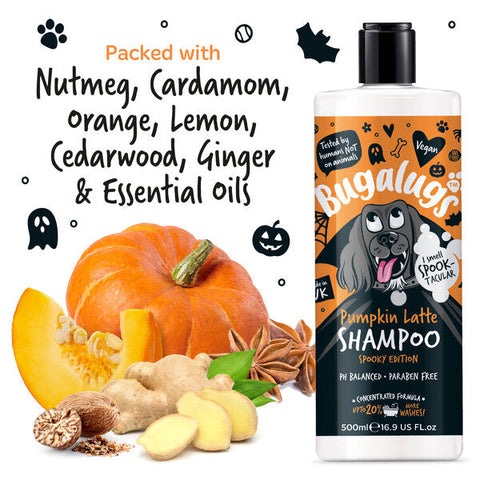
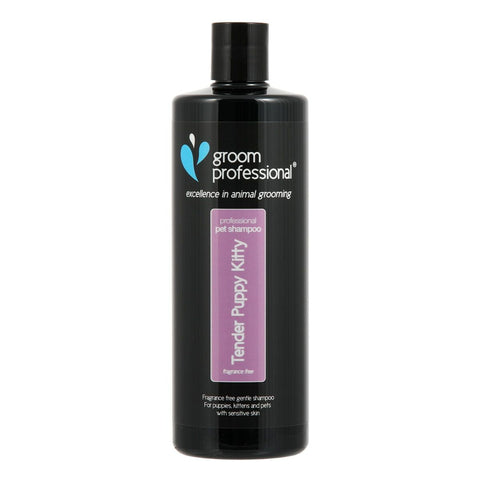
In the TropiClean Urine OFF® collection you'll find specialised enzyme cleaners for cat and dog urine, while Hygiene and home has a wider range of products for after accidents. If urine has left yellow-brown marks on the coat itself, around the belly or paws, the Chris Christensen Saving Grace Shampoo is designed for exactly this kind of organic stain.
Read more: Tear stains around the eyes: causes and solutions and How often to bathe your dog.
Frequently asked questions
Can I use bleach or ammonia instead of an enzyme cleaner?
It's not recommended. Bleach doesn't break down uric acid effectively, and ammonia can even resemble the smell of urine and encourage repeat marking. Both can also irritate your pet's airways.
How long should the enzyme cleaner stay on the stain?
Follow the label instructions – usually anywhere from a few minutes to a few hours for older stains. The longer it's left to work, the more organic material the enzymes can break down.
Does an enzyme cleaner work on cat urine too?
Yes, but it's best to choose a product formulated specifically for cat urine, such as Urine Off Cat Urine Remover 118ml – the chemical make-up and uric acid concentration in cats differ from those in dogs.
What should I do if the stain has already faded from earlier cleaning, but the smell remains?
A smell with no visible stain usually means the urine has soaked in deeper – under the carpet, into the furniture padding, or into the floor's grout lines. Treat again with a larger amount of enzyme cleaner and enough time for it to work through to the source.